

Passenger cars and heavy-duty vehicles have fundamental differences in their technical structures. These differences result in specific characteristics for the parts used in each type of vehicle.
The operating pressure, weight, and working hours in heavy-duty vehicles are significantly higher.
Therefore, their components are designed with higher durability and resistance.
In passenger cars, the focus is more on comfort, fuel efficiency, and daily performance.
The components of these vehicles must provide smooth and low-noise operation.
In contrast, heavy-duty vehicles require high strength and long service life.
Each component must be capable of withstanding harsh road conditions.
The clutch disc in heavy-duty vehicles is an example of this difference.
This component must withstand high temperatures and heavy pressure.
Whereas in passenger cars, the focus is on smooth operation and adequate service life.
The differences in design and raw materials are clearly noticeable.
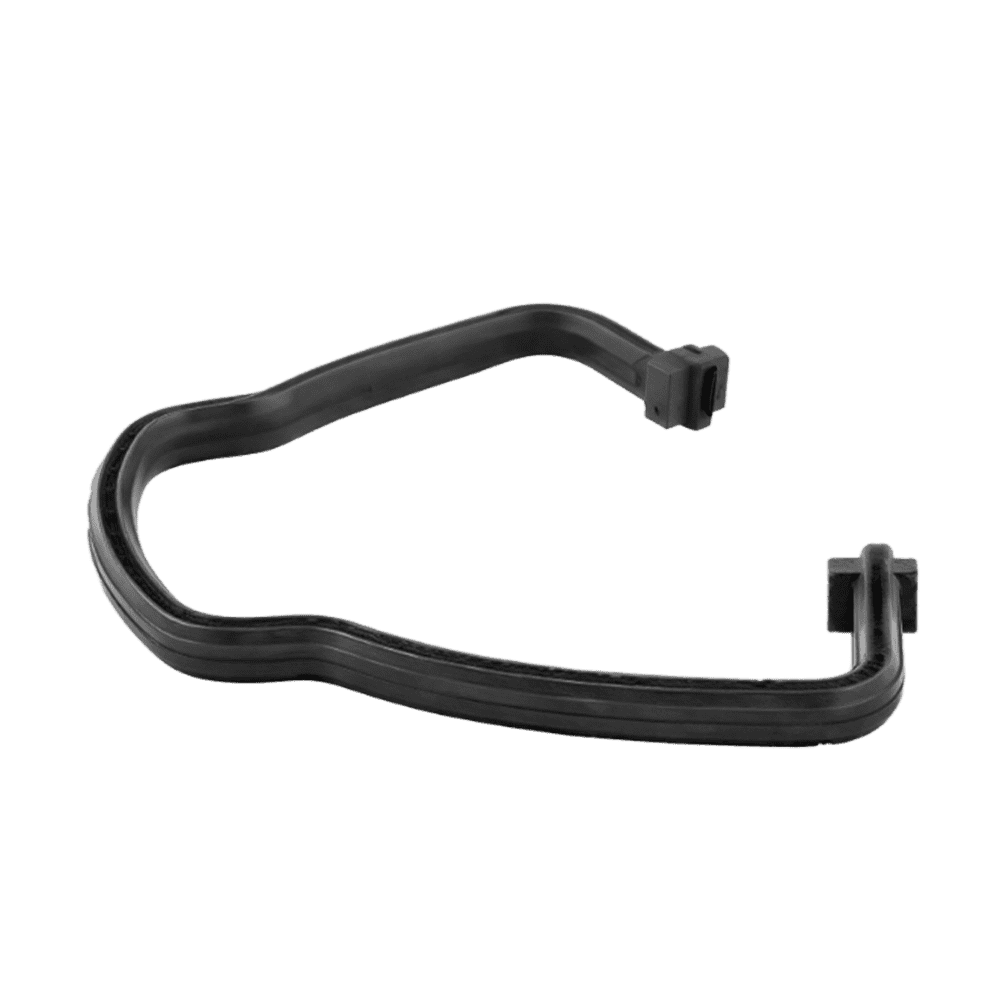
Sealing systems such as ring washers and O-rings also vary depending on the vehicle type.
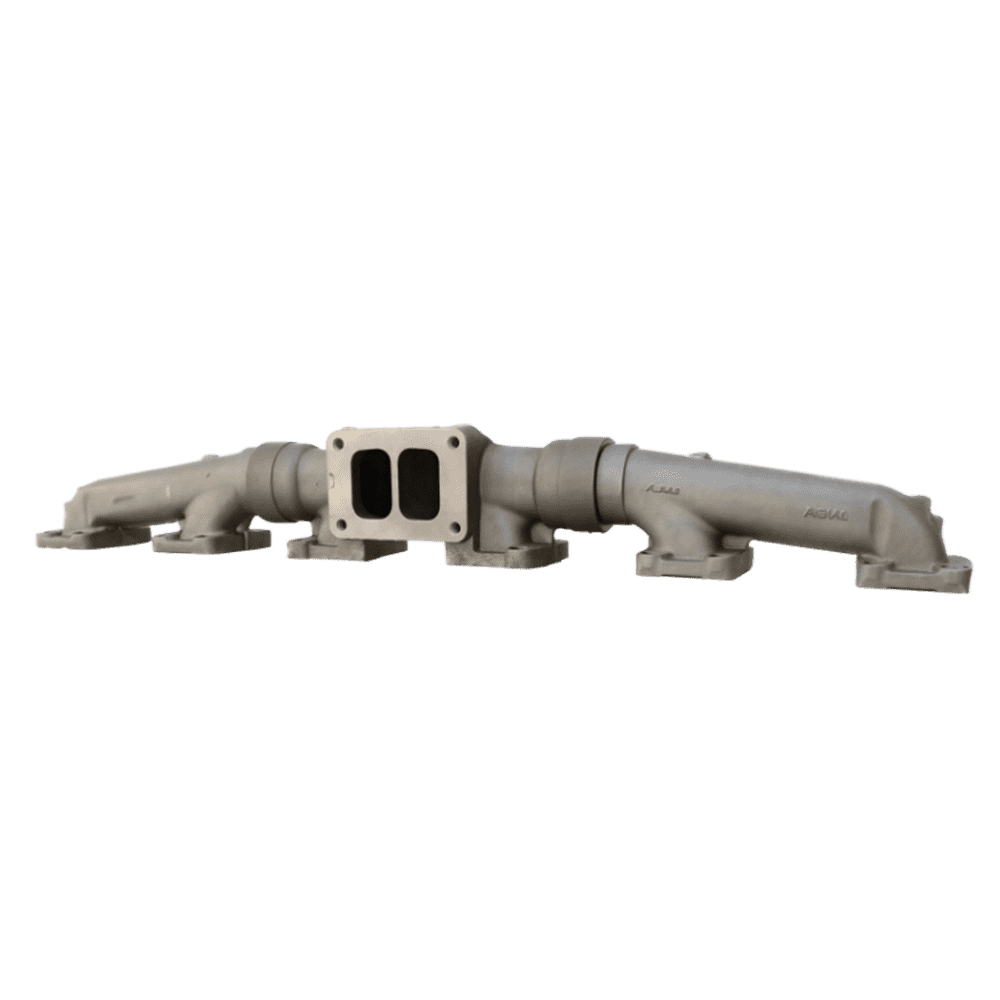
The operating pressure of heavy-duty diesel engines is higher than that of passenger gasoline engines.
Therefore, selecting the right part according to its application is highly important.
Using an incorrect part can cause serious damage.
Understanding these differences helps suppliers and consumers make more accurate choices.
Professional consultation and reviewing technical specifications before purchase are essential.
The professional spare parts market is built on knowledge and experience.
Greater awareness means fewer errors and increased customer satisfaction.